- Live Life Grow Wealth
- Posts
- 🌐 Series 9 Summary: How the Global Economy Shapes Your Investments
🌐 Series 9 Summary: How the Global Economy Shapes Your Investments

Live Life Grow Wealth L
December 01, 2025
In partnership with


Today’s Headline
🌐 Series 9 Summary: How the Global Economy Shapes Your Investments
Over the past seven days, we’ve taken a deep dive into one of the most powerful forces driving your wealth: the global economy.
Whether you realize it or not, every stock you buy, every fund you hold, and every investment decision you make is influenced by global events, macroeconomic data, and policies made by governments and central banks.
This series was designed to give you the bigger picture — the ability to look beyond daily price movements and understand why the market behaves the way it does.
Think of this as your “global investor upgrade.”
If you fully absorb the lessons from these seven days, you’ll no longer see markets as random. You’ll start seeing patterns, connections, and signals that most retail investors never notice.
Let’s recap everything you’ve learned.
“Want to See How Much You Could Earn From Affiliate Marketing? Click Here to Try Levanta’s Profit Calculator — It Might Shock You!”
See What’s Missing From Your Digital Marketing Strategy

Want to uncover your hidden affiliate marketing potential?
Levanta’s Affiliate Ad Shift Calculator shows you how shifting budget from PPC to creator-led programs can lift your ROI, streamline efficiency, and uncover untapped marketing revenue.
Get quick results and see what a smarter affiliate strategy could mean for your growth.
📌 Day 1: How the Global Economy Impacts Your Investments
We started with the foundation — the global economy is like a massive web where every country, company, and consumer is connected.
When one part of the web shakes, the impact ripples across the entire system.
A few key ideas you learned:
No financial market moves on its own.
U.S. stocks, Asian markets, oil prices, commodities, bonds — all linked.Strong global growth = strong corporate earnings = stronger stocks.
Slow global growth = recession risks = falling markets.
You also saw that events like China’s slowdown, U.S. tech growth, or Europe’s inflation issues can influence your portfolio even if you’ve never invested overseas.
Global trends don’t just affect global investors —
they affect all investors.
📌 Day 2: Understanding GDP, Inflation, and Interest Rates
Here, you learned the “three big numbers” that drive every market:
🔹 GDP
The scorecard of a country’s economic health.
Growing GDP = more jobs, more spending, more profits.
Shrinking GDP = trouble ahead.
🔹 Inflation
How fast prices rise.
A little inflation is normal.
Too much inflation destroys purchasing power and forces central banks to act.
🔹 Interest Rates
The most powerful tool central banks use.
High rates slow the economy.
Low rates encourage borrowing, spending, and investing.
You learned how these three indicators interact like gears in a machine — when one turns, the others move.
Most importantly, you learned:
Interest rates heavily influence stock valuations.
Lower rates = higher stock prices.
Higher rates = more market stress.
📌 Day 3: Central Banks & Monetary Policy — The Real Market Movers
This was one of the most eye-opening days.
You discovered that:
Central banks (like the U.S. Federal Reserve) are the real bosses of the financial market.
Their decisions on rates, money supply, and liquidity are what truly drive bull and bear markets.
“Don’t fight the Fed” is not just a saying — it’s the reality.
Central banks can:
Boost markets (by cutting rates or printing money)
Crash markets (by hiking rates or reducing liquidity)
You now understand why traders treat Fed announcements like major events — because one sentence can move trillions of dollars.
📌 Day 4: How to Interpret Economic Data (Jobs, CPI, PPI, PMI)
You learned how to read the most important economic numbers:
🔹 CPI
Measures inflation from the consumer’s point of view.
🔹 PPI
Measures inflation from the producer’s perspective.
🔹 Jobs Data (Non-Farm Payrolls)
Shows how healthy the labor market is — a strong predictor of economic momentum.
🔹 PMI
A survey that shows whether businesses are expanding or contracting.
Instead of just reading headlines,
you now understand how these reports influence markets instantly.
Hot CPI = inflation still high → markets fall.
Weak jobs data = recession fears → markets shaky.
Strong PMI = economy expanding → stocks tend to rise.
You’ve learned how traders interpret these numbers and use them to predict market movement.
“Ready to Dominate Digital Marketing? Click Here to Get The Marketing Millennials’ Secret Newsletter — Free!”

The best marketing ideas come from marketers who live it. That’s what The Marketing Millennials delivers: real insights, fresh takes, and no fluff. Written by Daniel Murray, a marketer who knows what works, this newsletter cuts through the noise so you can stop guessing and start winning. Subscribe and level up your marketing game.
📌 Day 5: The US Dollar’s Role and Global Market Interconnections
This day opened your eyes to the power of the U.S. dollar.
You learned that:
The USD is the world’s reserve currency.
Most global trade uses USD (oil, commodities, etc.).
When the USD strengthens, it affects countries, companies, and even emerging markets.
A strong USD:
Hurts emerging markets
Pressures global commodities
Makes U.S. exports more expensive
Boosts foreign investment into U.S. assets
A weak USD does the opposite.
Now you understand why so many investors watch the dollar index (DXY) closely — it’s a global temperature gauge.
📌 Day 6: How Geopolitics & Trade Wars Affect Stocks
This day highlighted the emotional side of global markets.
You learned that geopolitical risks are unpredictable but powerful:
Wars
Trade conflicts
Sanctions
Energy crises
Elections
Diplomatic tensions
These events can create volatility overnight.
You discovered how trade wars impact companies directly through:
Tariffs
Supply chain disruptions
Higher costs
Shifting production to other countries
And how geopolitical tensions can move entire sectors:
Energy (oil & gas)
Defense stocks
Technology supply chains
Commodities
Safe havens like gold
Understanding geopolitics helps you react calmly instead of emotionally.
“Unlock Roku’s Secret Holiday Ad Power — Click Here to Start Dominating Streaming!”
Shoppers are adding to cart for the holidays
Peak streaming time continues after Black Friday on Roku, with the weekend after Thanksgiving and the weeks leading up to Christmas seeing record hours of viewing. Roku Ads Manager makes it simple to launch last-minute campaigns targeting viewers who are ready to shop during the holidays. Use first-party audience insights, segment by demographics, and advertise next to the premium ad-supported content your customers are streaming this holiday season.
Read the guide to get your CTV campaign live in time for the holiday rush.
📌 Day 7: Using Macro Trends to Make Smarter Investment Decisions
On the final day, you learned how to combine everything into a practical skill —
macro-driven investing.
This means:
Watching interest rate cycles
Tracking inflation trends
Understanding market liquidity
Studying global supply and demand
Following geopolitical developments
Observing currency movements
Monitoring global growth
You also learned how macro trends influence:
Sector rotation
Stock performance
Commodity prices
Currencies
Bond yields
Investor risk appetite
The big lesson was this:
Macro trends don’t tell you which exact stock to buy.
They tell you which direction the market is moving.
This gives you a massive advantage over average investors.
Final Takeaways
After completing Series 9, you’ve upgraded from investing based on tips and guesses…
to investing based on global understanding.
You can now see:
Why markets move the way they do
How big economic forces affect your portfolio
What signals to look for before making decisions
How global events shape your financial future
Most retail investors only look at charts.
But charts are the result — not the cause.
You now understand the causes behind market movements.
This makes you a smarter, calmer, and more strategic investor.
Use this knowledge to guide your decisions, manage risk, and build wealth with confidence.
[Live Life Grow Wealth]
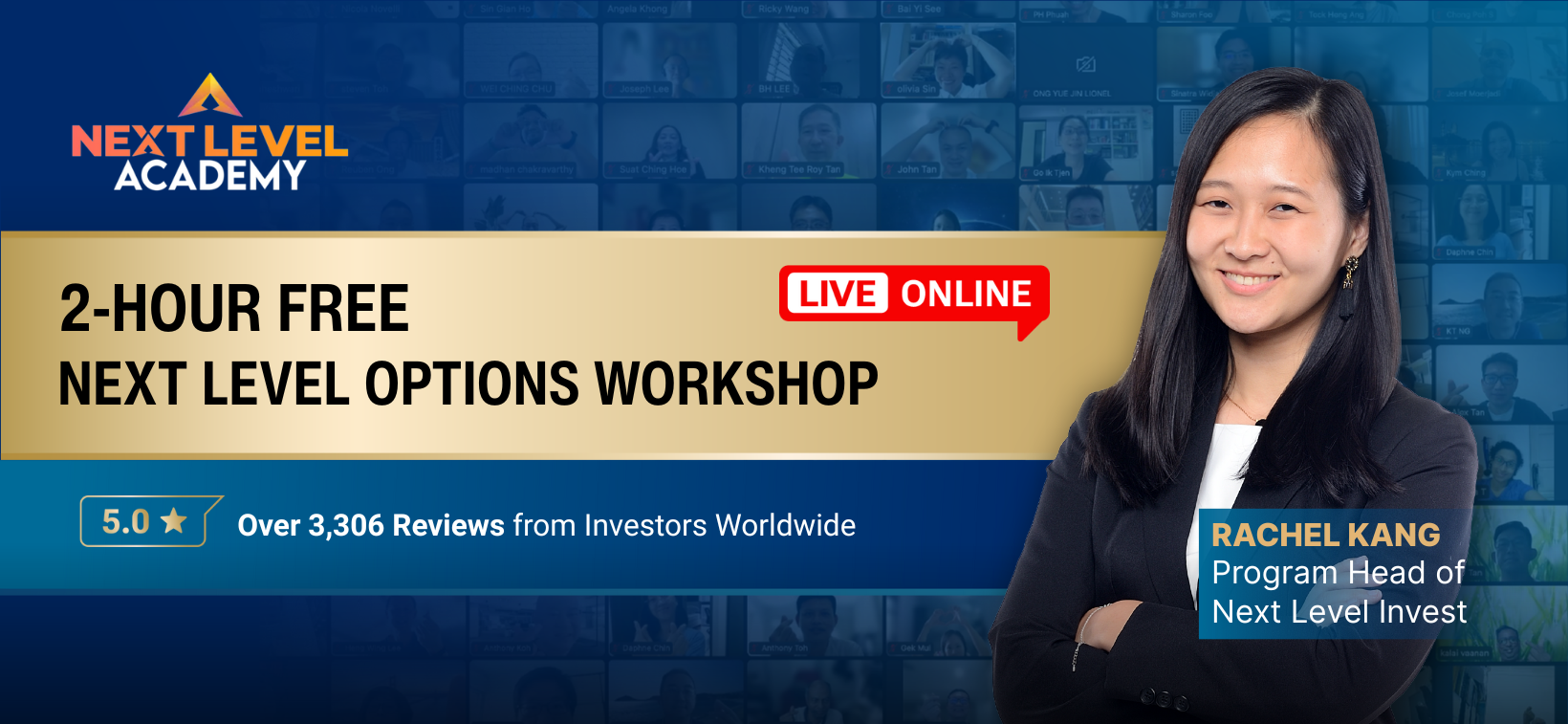
🎓 Free Masterclasses to Unlock Your Investment Potential
Take your money skills to the next level with expert-led workshops designed to help you grow smarter and faster.

Recommendations Section
“Peek into smart money moves — when big players act, you’re in the loop.”
|

Learn simple, proven ways to grow your money — straight from real investors who walk the talk.
|

“Hone your investing edge in just 5 minutes — smart, snappy insights to power your portfolio growth.”
|

“Stay ahead with one expert-picked stock weekly — clear, no jargon, built for growth.”
|

DISCLAIMER
I make no representations, warranties, or guarantees, whether expressed or implied, that the content provided is accurate, complete, or up-to-date. Past performance is not indicative nor a guarantee of future returns.
I am an individual content creator and not regulated or licensed by the Monetary Authority of Singapore (MAS) as I do not provide investment services.
All forms of investments carry risks, including the risk of losing your entire invested amount. Such activities may not be suitable for everyone. You are strongly encouraged to seek advice from a professional financial advisor if you have any doubts or concerns.